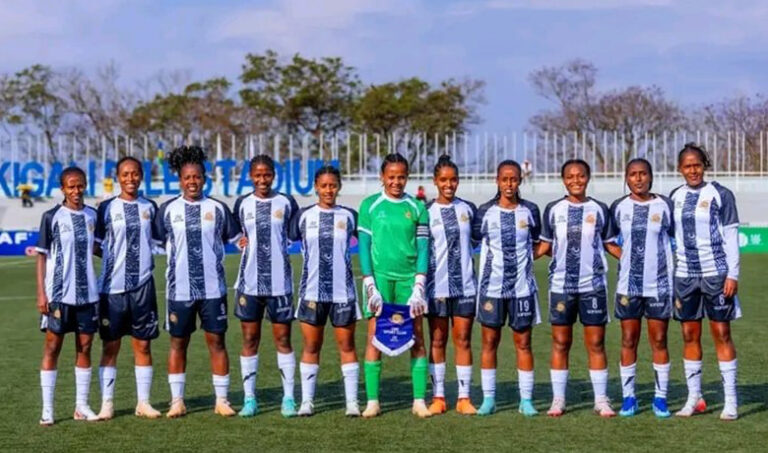
Coach Tadios Teklu and local police address the disappearance of 20 delegation members in Gothenburg, while the Ethiopian Football Federation clarifies that the group was not an official national team.
Around 20 members of an Ethiopian youth football delegation participating in the 2026 Gothia Cup in Gothenburg, Sweden, have been reported missing, triggering investigations by Swedish authorities and drawing international attention.
The group, comprising teenage players aged between 14 and 17 alongside adult team leaders, was discovered missing on the final day of the tournament when staff at their host school accommodation noticed they had departed without prior notice.
Gothia Cup press spokesperson Fredrik Beckman noted that organizers filed a missing persons report as a precautionary measure, calling the incident unexpected given the tournament’s strong working relationship with the team. Swedish police spokesperson Ellinor Halldin confirmed that initial investigations point to a voluntary departure rather than human trafficking or foul play, with police coordinating alongside the Swedish Migration Agency and border control.
Amid growing public attention, the Ethiopian Football Federation issued an official statement expressing regret over the incident, the Federation emphasized that the team involved was not representing the Ethiopian National Team. The EFF clarified that youth teams competing in such international events do so through independent efforts and private opportunities, rather than under the official banner or delegation of the national federation. The governing body also refuted reports incorrectly identifying the group as national team members, urging accurate public and media reporting.

Speaking in an exclusive interview with Soccer Ethiopia, head coach Tadios Teklu provided critical context regarding the tour’s setup, the breakdown in supervision, and the motives behind the incident. Tadios emphasized that the Gothia Cup is an amateur international platform aimed at providing young players with exposure and development experience. He noted that both players and technical staff covered their own travel expenses, and visas were granted by the Swedish Embassy only after background checks confirmed family stability and intention to return.
The coach detailed how a sudden administrative shift created an oversight gap during the final days of the trip. Team leaders and select officials were forced to return to Ethiopia early on July 18 due to urgent personal matters. The remaining 18 players and three staff members were scheduled to fly home on July 20, but failed to board their flights. As soon as their absence was confirmed, formal reports were promptly filed with Gothia Cup organizers, the Swedish police, and the Ethiopian Embassy.
Subsequent inquiries revealed that the move had been coordinated in advance between the players and their guardians. Tadios confirmed that roughly 90% of the youngsters remained behind with the full consent of their families, with several already dispersing into three to four other European countries. Family members indicated a clear desire for the teenagers to remain abroad rather than return home.
Reflecting on the situation, Tadios acknowledged the breakdown in control, explaining that the individuals entrusted with supervising the group following the initial departure ultimately chose not to return themselves. Moving forward, Tadios stated that future participation in European tournaments will be put on hold in favor of domestic youth development, unless strict binding mechanisms with parents are established or trips are limited exclusively to much younger children under the age of 11 or 12.